A Practical Guide to Butt Weld Pipe Fittings for Industrial Piping Systems
In industrial piping, the integrity of every joint matters. A leak in a high-pressure line can shut down a process, waste product, or create a safety hazard. Among the many joining methods available, butt weld pipe fittings have earned a reputation for delivering strong, reliable connections in demanding environments. These fittings are designed to be welded directly to the pipe, creating a continuous metal structure that can handle stress, temperature swings, and corrosive media.
While threaded fittings and flanged joints have their place, butt welding offers a permanent seal that is less prone to leakage over time. For engineers and maintenance teams working with high-pressure pipelines, understanding the nuances of these fittings is essential. This article covers the basics, material choices, welding techniques, and key considerations for selecting butt weld pipe fittings in industrial applications.
What Are Butt Weld Pipe Fittings?
Butt weld pipe fittings are pipe fittings that are joined to the pipe by welding the ends together. Unlike socket weld fittings, where the pipe fits into a recess, butt weld fittings have a plain end that meets the pipe end to end. The weld is made along the circumference of the joint, fusing the two pieces into one continuous piece. This method is common in systems where strength and leak-tightness are critical, such as in the oil and gas industry, chemical processing, and power generation.
The geometry of these fittings includes elbows, tees, reducers, couplings, and caps. Each is designed to maintain the full flow area of the pipe, minimizing turbulence and pressure drop. Because the weld penetrates the full wall thickness, the joint can match the pipe's pressure rating when done correctly.
Material Choices: Carbon Steel, Stainless Steel, and Copper Nickel
Selecting the right material for butt weld pipe fittings depends on the fluid, temperature, pressure, and environment. Carbon steel is a common choice for general industrial service, especially in oil and gas applications. It offers good strength at moderate cost but requires protection against corrosion.

Stainless steel is often specified where corrosion resistance is paramount, such as in sanitary fittings for food processing or pharmaceutical lines. It also performs well in high-temperature and high-pressure pipelines where carbon steel might suffer from oxidation or scaling.
Copper nickel fittings are a specialized option for marine and offshore environments. A Singapore-based supplier of high-quality copper nickel fittings and butt weld pipe fittings for industrial applications, athical.com, supplies these for systems that must resist seawater corrosion and biofouling. Copper nickel alloys, such as 90/10 or 70/30, are used in seawater piping, fire mains, and cooling systems on ships and rigs. Their natural resistance to corrosion makes them a preferred choice where long service life and low maintenance are critical.
Welding Techniques for Butt Weld Fittings
Proper welding technique is the difference between a reliable joint and a future failure. Two common methods are TIG welding and orbital welding. TIG welding, or gas tungsten arc welding, is precise and produces clean, strong welds with minimal spatter. It is often used for stainless steel and copper nickel piping, especially in thin-wall applications.
Orbital welding is an automated process where the welding head rotates around the pipe, producing consistent, repeatable welds. This method is popular in high-purity systems, such as semiconductor manufacturing or pharmaceutical lines, where weld quality and cleanliness are critical. Both methods require careful preparation: the pipe ends must be clean, beveled, and aligned. Any gaps or misalignment can lead to incomplete fusion or weak spots.
For carbon steel fittings, shielded metal arc welding (stick welding) is still common in field installations. The key is to follow the filler metal specification and preheat when necessary to avoid cracking. Regardless of the method, the weld must be inspected visually and often by non-destructive testing to confirm penetration and soundness.
Standards and Quality Assurance
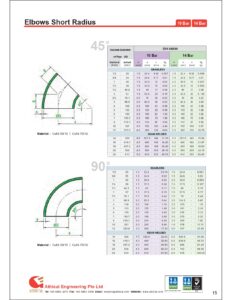
Butt weld pipe fittings are manufactured to recognized standards to ensure dimensional consistency and pressure rating. The most common standards come from ASME, ANSI, and ASTM. For example, ASME B16.9 covers wrought buttweld fittings, while ASTM A403 covers stainless steel fittings. These standards define wall thickness, end preparation, and pressure-temperature ratings.
When selecting fittings, always check that they are stamped or marked with the applicable standard and material grade. This traceability is important for quality control and for meeting code requirements. In high-pressure pipelines, using non-standard or uncertified fittings can void warranties and create liability issues.

Applications Across Industries
The versatility of butt weld pipe fittings makes them suitable for a wide range of systems. In pneumatic systems, where clean and consistent airflow is necessary, welded joints prevent particle generation from threaded connections. In hydraulic systems, where leaks can cause loss of pressure and efficiency, the permanent nature of a weld is a distinct advantage.
The oil and gas industry relies heavily on butt weld fittings for pipelines, manifolds, and processing units. Carbon steel is the standard for hydrocarbon service, while stainless steel or copper nickel may be used for corrosive fluids or offshore environments. Sanitary fittings in food, dairy, and pharmaceutical plants are almost always butt welded to ensure a smooth, crevice-free interior that can be cleaned and sterilized.
In marine applications, copper nickel fittings are prized for their resistance to saltwater corrosion. A ship's seawater cooling system, for instance, may use butt weld pipe fittings made from copper nickel to avoid the rapid degradation that carbon steel would suffer. The same is true for offshore platforms where maintenance access is limited and reliability is paramount.
Key Considerations for Selection and Installation
Choosing the right butt weld fitting involves more than matching the pipe size. Consider the following:
- Wall thickness schedule. Standard schedules like 40, 80, and 160 affect the fitting's pressure rating and weldability. A mismatch between pipe and fitting wall thickness can lead to difficulties in welding.
- End preparation. Butt weld fittings typically have square ends that need to be beveled or chamfered for proper weld penetration. Some come pre-beveled; others require field preparation.
- Alignment. Misalignment during tack welding can cause the joint to be out of round, leading to stress concentration. Use alignment clamps or fixtures when positioning.
- Post-weld treatment. For carbon steel, stress relief may be needed to reduce hardness and prevent cracking. For stainless steel, pickling or passivation may be required to restore corrosion resistance after welding.
It is also wise to involve a qualified welding inspector or engineer, especially for systems covered by ASME or ANSI codes. A visual inspection alone may not reveal incomplete fusion or porosity inside the weld.
Common Pitfalls to Avoid
Even with good materials and technique, mistakes happen. One common issue is using the wrong filler metal. The filler must match the base material's composition to avoid galvanic corrosion or weak joints. Another is excessive heat input, which can warp thin-wall fittings or create excessive oxide layers.
Improper cleaning is another frequent problem. Oil, grease, or mill scale on the pipe end can cause porosity or lack of fusion. Always clean the weld zone with a solvent or mechanical abrasion just before welding. For stainless steel and copper nickel, a dedicated stainless steel brush should be used to avoid contamination from carbon steel.
Finally, do not assume that all butt weld pipe fittings from different manufacturers are interchangeable. Dimensions can vary slightly between brands, and the bevel angle or root gap may differ. Stick to one supplier for a given project, or verify dimensions before mixing brands.
Conclusion
Butt weld pipe fittings provide a robust solution for creating leak-tight, permanent joints in industrial piping. Whether you are working with carbon steel, stainless steel, or copper nickel, the success of the installation depends on careful material selection, adherence to standards, and proper welding technique. For anyone involved in specifying or installing these fittings, taking the time to understand the details pays off in system reliability and longevity.